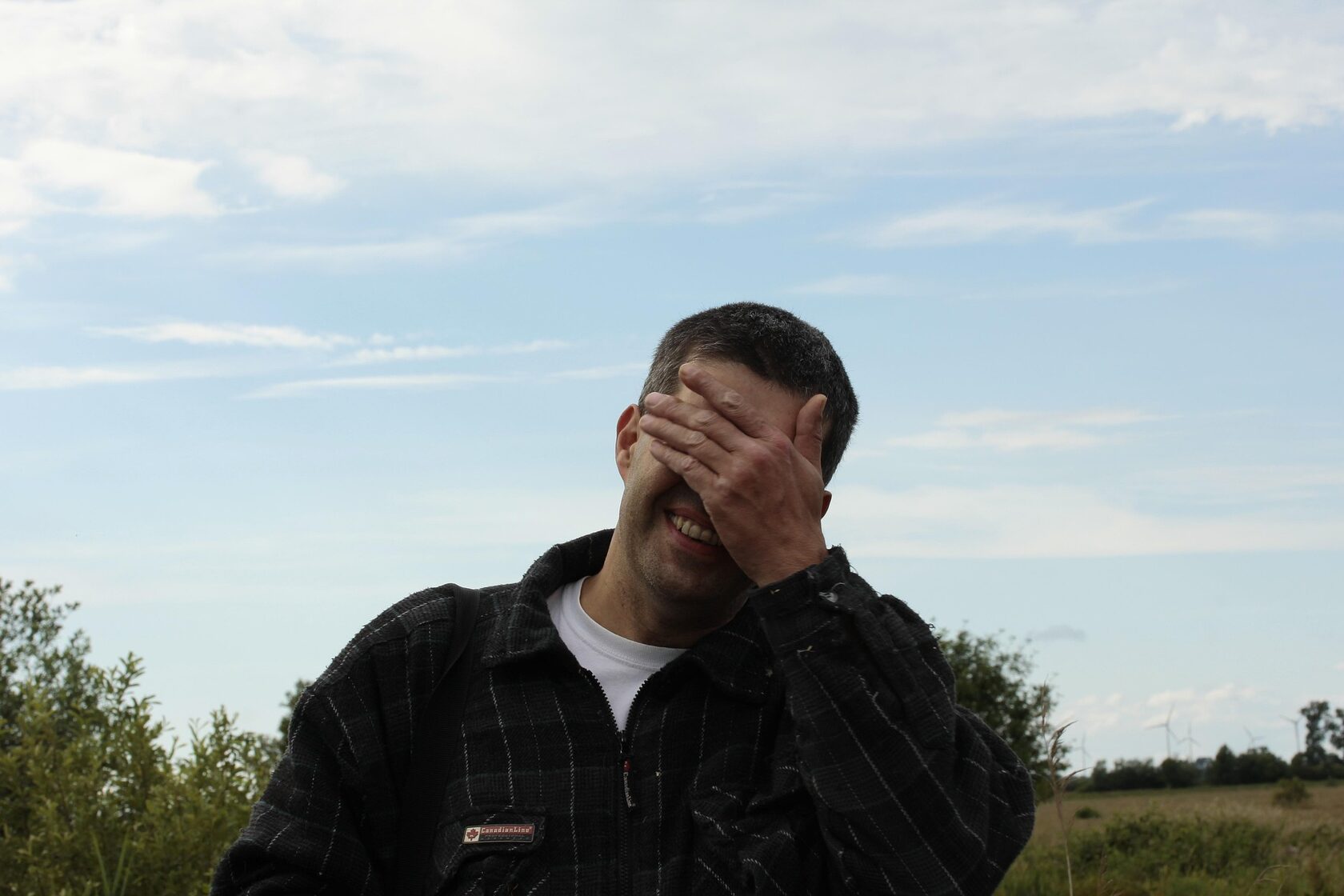
Shame after a difficult psychedelic experience is a common reaction and not a sign that you failed. What helps most is time and sleep, one calm person who can hear the account, a clear separation between what happened and what you conclude about yourself, and a licensed clinician if the shame is persistent, grows, or comes with hopelessness or thoughts of self-harm.
Surveys show that challenging experiences are common and that many people later find value in them, but no study I found measures shame as an outcome. The sections below explain what the research does say, offer a story-versus-fact method for sorting shame from information, and state clearly when to stop reflecting alone and speak to a professional.
Key takeaways
• A difficult experience can leave you embarrassed about what you said, did or felt, and that reaction is common and often eases with sleep, time and a calm listener.
• In a survey of 1,993 adults, 39 percent rated their most difficult psilocybin experience among the five most challenging of their lives, and 84 percent still endorsed benefiting from it.
• Shame tends to tell a story about who you are, while a useful reflection asks what happened and what you can learn from it.
• One trusted, discreet person is a better first audience than a public forum.
• Persistent shame with hopelessness, withdrawal or any thought of self-harm calls for a licensed clinician or emergency services, not more solitary reflection.
Definitions
Difficult or challenging experience: an experience during or after psychedelic use that involved intense fear, confusion, grief, paranoia or a sense of losing control. Researchers use these terms in place of "bad trip."
Shame: a painful sense that you are flawed or exposed as a person, usually with an urge to hide. In this article, shame is distinguished from guilt, which is discomfort about a specific action.
Guilt: discomfort about something you did, which often points toward repair, such as an apology or a changed behavior.
Integration: the gradual work of making sense of an experience and deciding what, if anything, to change in daily life. A concept analysis (Bathje et al., 2022) found that integration support is offered by therapists, coaches and other practitioners, and that many people do it alone.
Shame after a difficult psychedelic experience: why it happens
Difficult experiences often involve exactly the things people are most afraid of showing: crying, losing composure, saying things that feel private, or being unable to look after yourself. Afterwards, the memory of those moments may repeat in your mind, along with a worry about how other people saw you.
Three ordinary mechanisms probably feed the reaction. The first is exposure: an intense experience in front of others, or a retelling of it, leaves you feeling seen. The second is the aftermath of strong emotion and poor sleep, which lowers your tolerance for self-criticism. The third is stigma, since many people feel that a difficult experience proves that they made a mistake in trying a psychedelic at all. These three mechanisms are coaching observations and hypotheses, and they are not findings from research on shame, which does not appear to exist for this setting.
None of this means the shame is deserved. A feeling of shame tells you that something mattered to you. It does not tell you that you did something wrong.
What the surveys show about difficult experiences
An online survey of 1,993 adults recalling their most psychologically difficult experience after eating psilocybin mushrooms (Carbonaro et al., 2016) found that 39 percent rated it among the five most challenging experiences of their lives. Eleven percent said they put themselves or others at risk of physical harm, 2.7 percent received medical help, and of those whose experience was more than a year old, 7.6 percent sought treatment for enduring psychological symptoms. The factors that raised the chance of risk included the duration and difficulty of the experience, and the absence of physical comfort and social support. Even so, 84 percent endorsed benefiting from the experience, and greater difficulty was positively associated with enduring increases in well-being.
The Global Ayahuasca Survey of 10,836 people (Bouso et al., 2022) found that 55.9 percent reported adverse mental health effects in the weeks or months after ayahuasca, about 88 percent of whom considered those effects part of a positive process of growth or integration, and about 12 percent of the whole sample sought professional support.
Safety guidelines for research (Johnson et al., 2008) identify overwhelming distress during the experience as the most likely psychological risk, and describe trust, preparation, a safe environment and support from monitors as safeguards. A clinical model for working with difficult experiences (Gorman et al., 2021) takes a non-pathologizing and destigmatizing stance and aims to support people who have had challenging experiences in any context.
Together, the findings suggest that difficult experiences are common, that many people find meaning in them, and that a minority need professional help. The evidence comes from retrospective online surveys, a research safety review and a clinical model. It does not come from studies of shame or of coaching.
A story-versus-fact method
The method below is a coaching tool built on the simple idea that shame speaks in verdicts and reflection speaks in facts. Use a notebook and work through each step on a different day if needed.
Step one: write the facts. List what actually happened, in neutral terms, as a camera would have recorded it. "I cried for a long time and asked someone to stay with me." Leave out judgments such as "pathetic" or "embarrassing."
Step two: write the shame story. Write the sentence your mind keeps repeating. "Everyone saw that I could not cope." Label it as a story.
Step three: test the story. Ask what evidence supports it, what evidence does not, and what a calm friend would say. If you do not know what other people thought, write "unknown" and avoid filling the gap with the worst case.
Step four: separate guilt from shame. If something you did affected another person, note what repair might be appropriate, such as an apology or an explanation. If the only issue is that you felt exposed, there may be nothing to repair.
Step five: choose one small action. For example, send one honest message to someone you trust, plan a good night's sleep, or book a conversation with a coach or clinician.
Story versus fact: examples
"I lost control and embarrassed myself.": Facts that can be checked: I cried and needed someone to sit with me.; A more useful question: What did I need in that moment, and how can I get it more easily next time?
"Everyone now thinks I am unstable.": Facts that can be checked: I do not know what others think; two people asked if I was okay.; A more useful question: Who can I ask directly, and do I want to?
"I should have been able to handle it.": Facts that can be checked: The experience was hard for most of its duration.; A more useful question: What would handling it have meant, and was that a fair standard?
"I ruined the evening for everyone.": Facts that can be checked: The group paused for about an hour and then continued.; A more useful question: Is there anything I want to say to the group, and does anyone need an apology?
"This proves I am broken.": Facts that can be checked: I had one very hard experience.; A more useful question: What does one experience tell me, and what does it not tell me?
Who to tell, and how
Choose one person who is calm, discreet and not invested in a particular conclusion, such as a trusted friend, a coach or a clinician. Avoid public forums for a first account, because replies tend to be a mix of hype, alarm and advice from strangers.
A simple script can help: "Something hard happened and I am feeling ashamed about it. I do not need advice. I would like to tell you what happened and have you listen." Naming the type of help you want makes it easier for the listener to give it.
If you cannot think of anyone, a clinician or a coach is a reasonable first listener. A coach can help you sort facts from stories, and a clinician is the right contact if the shame is persistent or comes with other symptoms.
What the evidence does not show
• No study I found measures shame after a difficult psychedelic experience. A PubMed search run on 28 October 2026 combining shame, psychedelic, difficult and aftermath returned no results.
• The surveys cannot say how long shame lasts, or whether any particular method reduces it.
• Survey results cannot predict how you will feel, or whether your difficult experience will turn out to be valuable.
• The story-versus-fact method is a coaching tool built on general reflective ideas, and it has not been tested for this purpose.
A short reflection for the first week
Spend ten minutes each evening answering one of these:
• What is one fact about the experience that I can write without a judgment word?
• What is the sentence my mind repeats, and is it a fact or a verdict?
• Who is one person I could tell, and what would I ask of them?
• What is one kind thing I would say to a friend who had the same experience?
• What support would have helped me most on the night, and who could offer it now?
If the answers keep returning to hopelessness or contempt for yourself, treat that as a reason to speak to a clinician.
Risks, boundaries and when to seek care
Integration coaching is education and reflection. Coaching is not therapy and cannot replace medical or psychological care. Please contact a licensed clinician (doctor, psychiatrist or psychotherapist) if you notice any of the following:
• Shame that is getting worse, that stops you working or seeing people, or that comes with hopelessness.
• Several nights of little or no sleep, or sleep that stays badly disrupted.
• Ongoing confusion, panic, or a persistent sense that you or the world are unreal.
• Beliefs or perceptions that the people around you find hard to follow, or that frighten you.
• Any thought of ending your life or hurting yourself. This is an emergency: contact local emergency services right away (112 across the EU) or an official crisis line in your country. Vladislav Andreev does not work with active suicidal ideation and will refer you to appropriate services.
Two further boundaries apply. Medication screening and advice on interactions are outside the scope of coaching, so ask the prescriber who knows your history. Laws on psychedelics differ between countries and change over time, so check your own jurisdiction, and know that this article does not encourage any illegal activity.
FAQ
Is it normal to feel ashamed after a bad trip?
Yes, many people do, and it often eases with sleep, time and a calm listener. Surveys show difficult experiences are common, and many people later find value in them. Persistent shame with hopelessness is a reason to speak to a licensed clinician.
How long does shame after a difficult psychedelic experience last?
No source I found gives a reliable duration. Shame often fades over days to weeks as sleep and routine return. If it is getting worse, interferes with daily life or comes with hopelessness, contact a licensed clinician.
Should I tell people about a difficult experience?
Tell one calm, discreet person first, and say what kind of help you want. Keep it brief at first. You do not owe anyone a full account, and you can wait until you are rested.
What if I did something I regret during the experience?
Separate shame from guilt. If your actions affected someone, consider a brief, honest apology and an offer to talk later. If you only felt exposed, there may be nothing to repair. A coach or clinician can help you decide.
Can a coach help with shame?
A coach can help you sort facts from stories and plan small steps when you are stable. Shame that is severe, persistent or paired with hopelessness needs a licensed clinician. A coach can work alongside a clinician if both agree.
A proportionate next step
If a hard experience is still weighing on you, the free safety self-assessment at https://entheogen.expert/safety is an educational starting point and not a diagnostic tool. You can read my story to see who is writing this, and the services page explains how I work with people, within the scope above.
Author and review
Author: Vladislav Andreev, integration coach and harm-reduction educator based in Barcelona. Not a doctor, psychiatrist or therapist. Provides no substances and no medical advice. Draft staged 28 October 2026, and the publication date is set when the post goes live. Clinical review by a licensed clinician: not yet done and required before publication. Next review: 6 months after publication.
References
1. Carbonaro TM, et al. Survey study of challenging experiences after ingesting psilocybin mushrooms: acute and enduring positive and negative consequences. Journal of Psychopharmacology, 2016;30(12):1268-1278. DOI: https://doi.org/10.1177/0269881116662634. Status: VERIFIED against PubMed record (PMID 27578767), 28 Oct 2026.
2. Bouso JC, et al. Adverse effects of ayahuasca: results from the Global Ayahuasca Survey. PLOS Global Public Health, 2022;2(11):e0000438. DOI: https://doi.org/10.1371/journal.pgph.0000438. Status: VERIFIED against PubMed record (PMID 36962494), 28 Oct 2026.
3. Johnson M, Richards W, Griffiths R. Human hallucinogen research: guidelines for safety. Journal of Psychopharmacology, 2008;22(6):603-620. DOI: https://doi.org/10.1177/0269881108093587. Status: VERIFIED against PubMed record (PMID 18593734), 28 Oct 2026.
4. Gorman I, et al. Psychedelic harm reduction and integration: a transtheoretical model for clinical practice. Frontiers in Psychology, 2021;12:645246. DOI: https://doi.org/10.3389/fpsyg.2021.645246. Status: VERIFIED against PubMed record (PMID 33796055), 28 Oct 2026.
5. Bathje GJ, Majeski E, Kudowor M. Psychedelic integration: an analysis of the concept and its practice. Frontiers in Psychology, 2022;13:824077. DOI: https://doi.org/10.3389/fpsyg.2022.824077. Status: VERIFIED against PubMed record (PMID 35992410), 28 Oct 2026.
Educational content only. This is not medical advice, therapy, or a clinical diagnosis, and it does not encourage illegal activity. It exists to reduce risk for adults making their own decisions. Reviewed for scope by Vladislav Andreev, integration coach and harm-reduction educator, Barcelona.